 Admin
AdminFactory Jobs in Netherlands with Visa Sponsorship
Introduction
The Netherlands has emerged as one of Europe’s most attractive destinations for foreign workers seeking stable employment, competitive wages, and legal migration pathways. Among the most accessible opportunities for non-EU nationals are factory jobs in the Netherlands with visa sponsorship, driven by persistent labor shortages across manufacturing, food processing, logistics-linked factories, and industrial production. As Dutch companies expand operations and struggle to meet workforce demand locally, international recruitment has become a strategic necessity rather than an exception. Australia Jobs with Visa Sponsorship for Foreigners
Factory jobs in the Netherlands appeal to foreign workers because they often do not require advanced academic qualifications, yet they offer structured employment, regulated working hours, and strong labor protections. For many migrants, these roles serve as an entry point into the Dutch labor market, providing legal residency, steady income, and long-term career progression. Visa sponsorship by approved employers allows qualified foreign workers to live and work in the Netherlands under transparent and lawful conditions, reducing the risks associated with informal employment.
This article provides a comprehensive, factual, and up-to-date guide to factory jobs in Netherlands with visa sponsorship, covering job types, salary structures, regions with high demand, employer requirements, and application processes. Written from an editorial and labor-market perspective, the content is designed to inform, guide, and empower foreign job seekers while complying fully with Google AdSense content and monetization standards.
Why Work in Factory in the Netherlands?
Factory employment in the Netherlands offers a combination of economic security, legal protections, and long-term prospects that are difficult to match in many other countries. One of the primary reasons foreign workers pursue factory jobs in the Netherlands with visa sponsorship is the country’s strong labor laws. Employees are protected by national regulations covering minimum wage, overtime pay, health and safety standards, and paid leave, ensuring fair treatment regardless of nationality. Switzerland Jobs with Visa Sponsorship for Foreigners
Another key advantage is consistent demand. The Netherlands is a major European hub for manufacturing, food exports, pharmaceuticals, electronics, and industrial logistics. Factories operate year-round, creating ongoing employment opportunities rather than short-term or seasonal work. This stability makes factory jobs particularly attractive to migrants seeking predictable income and long-term residence options.
The Dutch work environment is also known for professionalism and transparency. Employment contracts are clearly defined, wages are paid on time, and workplace disputes are governed by law. For foreign workers, this reduces uncertainty and exploitation risks that may exist in less regulated labor markets. Many factories also provide onboarding support, safety training, and basic language assistance to help international employees integrate.
Finally, factory jobs in the Netherlands can open doors to broader opportunities. After gaining local experience, some workers transition into supervisory roles, technical positions, or other sectors such as logistics and warehousing. For eligible workers, long-term employment may contribute toward residence permit renewals or future permanent residency pathways, depending on individual circumstances and Dutch immigration regulations. Undergraduate Scholarships in Spain for International Students
Entry-Level Factory Jobs in Netherlands with Visa Sponsorship
Entry-level factory jobs in the Netherlands with visa sponsorship are specifically designed to fill workforce gaps where local labor supply is insufficient. These roles typically require minimal formal education and focus more on physical capability, reliability, and willingness to work shifts. As a result, they are among the most accessible employment options for non-EU foreign workers seeking legal entry into the Dutch labor market.
Common entry-level positions include production line workers, packaging assistants, machine helpers, quality control assistants, and warehouse operatives attached to factory operations. While previous factory experience can be an advantage, many Dutch employers provide on-the-job training, allowing new hires to learn procedures, safety protocols, and equipment handling after arrival. This training-oriented approach makes visa-sponsored factory jobs feasible even for first-time industrial workers. Hotel Jobs in Japan with Visa Sponsorship for Foreigners
From an employer’s perspective, sponsoring foreign workers for entry-level factory roles is often justified by chronic labor shortages, particularly in physically demanding or shift-based positions. Industries such as food processing, meat production, dairy manufacturing, and industrial packaging are especially reliant on international labor. These sectors operate under strict production timelines, making workforce reliability a top priority.
For foreign workers, entry-level factory jobs offer more than just immediate income. They provide legal employment status, access to social security contributions, and exposure to European work standards. While these roles can be physically demanding, they often serve as stepping stones toward better-paying positions, contract extensions, or employer-supported relocation stability within the Netherlands.
Types of Factory Jobs in Netherlands with Visa Sponsorship for Foreigners
Factory jobs in the Netherlands with visa sponsorship span multiple industries, reflecting the country’s diverse industrial base. Below are the most common categories of factory employment available to foreign workers.
Food Processing Factory Jobs
These roles involve handling, processing, packaging, and labeling food products such as meat, poultry, seafood, dairy, baked goods, and frozen foods. Employers often seek foreign workers due to high turnover and strict production schedules. Hygiene compliance and physical stamina are essential. Civil Engineering Jobs in New Zealand with Visa Sponsorship
Manufacturing and Assembly Jobs
Manufacturing factories produce machinery parts, electronics, automotive components, and industrial equipment. Assembly line workers are responsible for fitting components, monitoring machines, and ensuring product consistency. These jobs may involve repetitive tasks but often come with structured training.
Packaging and Sorting Jobs
Packaging factories focus on preparing goods for distribution, including labeling, sealing, and sorting products. These roles are common in export-driven industries and are frequently open to entry-level foreign workers due to ongoing demand.
Chemical and Pharmaceutical Factory Jobs
The Netherlands hosts several pharmaceutical and chemical production facilities. While some roles require technical qualifications, entry-level positions such as production assistants and material handlers are occasionally offered with visa sponsorship.
Industrial Warehousing Linked to Factories
Many factories operate integrated warehouses. Workers handle raw materials, finished goods, and inventory control. These roles combine factory and logistics functions and are often included in visa-sponsored recruitment drives.
Top Factories and Manufacturing Companies in the Netherlands Offering Visa Sponsorship
Several Dutch and multinational companies are known for recruiting foreign workers to fill factory positions legally. These employers typically work with licensed recruitment agencies or sponsor visas directly when approved by Dutch immigration authorities. Unskilled Jobs in Netherlands with Visa Sponsorship
Food and Agribusiness Companies
Large food processors and exporters regularly hire international workers due to sustained production demands. These companies operate modern facilities and often provide accommodation support or guidance through partner agencies.
Manufacturing and Engineering Firms
Companies producing industrial equipment, electronics, and automotive components may sponsor foreign workers for assembly and production roles, particularly when specialized labor shortages exist.
Pharmaceutical and Chemical Producers
Global pharmaceutical firms with Dutch operations sometimes recruit production staff internationally, especially for roles involving packaging, quality control support, and material handling.
Private Label and Export-Oriented Factories
Factories focused on private-label manufacturing for European markets frequently rely on foreign labor to meet contractual obligations and delivery schedules.
Employers offering visa sponsorship must comply with Dutch immigration and labor regulations, ensuring contracts, wages, and working conditions meet legal standards.
Benefits of Factory Jobs in Netherlands with Visa Sponsorship
Factory jobs in the Netherlands with visa sponsorship offer several tangible advantages for foreign workers seeking stability and lawful employment.
Legal Right to Work and Reside
Visa sponsorship provides lawful residence and employment authorization, reducing the risk of penalties or deportation. UK Jobs with Visa Sponsorship
Competitive Wages
Factory workers earn regulated wages aligned with Dutch minimum wage laws, often supplemented by shift allowances and overtime pay.
Worker Protections
Employees benefit from health and safety regulations, paid leave, sick pay, and access to labor dispute mechanisms.
Career Entry Point
These jobs serve as an accessible entry into the European labor market, allowing workers to gain experience and build professional networks.
Social Security Contributions
Employment includes contributions to Dutch social systems, offering limited benefits and protections during employment periods.
Challenges of Factory Jobs in Netherlands with Visa Sponsorship
Despite the advantages, factory jobs also present challenges that foreign workers should consider carefully.
Physically Demanding Work
Many factory roles involve standing for long hours, repetitive movements, and lifting tasks.
Shift and Night Work
Factories often operate 24/7, requiring night shifts or rotating schedules that may affect work-life balance.
Language Barriers
While English is commonly used, limited Dutch language skills can affect integration and advancement. Unskilled Construction Jobs in UK with Visa Sponsorship
Accommodation Pressure
Housing shortages in some regions can make finding affordable accommodation difficult without employer assistance.
Adjustment to Work Culture
Adapting to Dutch workplace norms, punctuality expectations, and safety standards requires commitment and flexibility.
Regions in the Netherlands with the Highest Factory Worker Salaries
Factory wages in the Netherlands vary by region, influenced by industrial concentration and cost of living.
North Brabant
A major manufacturing hub with competitive wages due to high industrial density.
South Holland
Home to ports and industrial zones, offering strong demand and above-average pay.
North Holland
Includes industrial areas near Amsterdam, with higher wages reflecting living costs.
Gelderland
Features logistics-linked factories with stable wage structures.
Limburg
Known for manufacturing and food processing, offering consistent employment opportunities.
Salary Structure for Factory Workers in the Netherlands (Foreigners)
Factory workers’ salaries in the Netherlands are structured based on experience and role.
Entry-Level Workers
Typically earn wages aligned with the national minimum wage, with additional allowances for shifts and overtime.
Mid-Level Workers
With experience, workers may receive higher hourly rates, role-specific bonuses, and longer contracts. Hospitality Jobs in New Zealand with Visa Sponsorship
Experienced and Specialized Workers
Those with technical skills or supervisory responsibilities can earn significantly higher wages and enjoy greater job stability.
Application Requirements and Required Documents for Factory Jobs in Netherlands
Applying for factory jobs in Netherlands with visa sponsorship requires meeting both employer expectations and Dutch immigration regulations. While specific requirements vary by company and role, most employers follow a standardized framework when recruiting foreign workers.
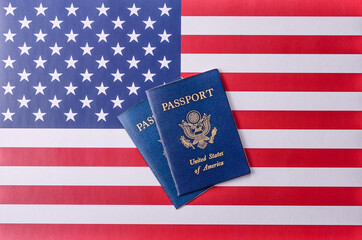
Valid International Passport
Applicants must hold a passport with sufficient validity to cover the employment period. Many employers prefer passports with at least 12–18 months remaining before expiration.
Employment Contract or Job Offer
A confirmed job offer from a Dutch employer willing to provide visa sponsorship is mandatory. This document outlines job duties, wages, working hours, and contract duration.
Curriculum Vitae (CV)
A professional CV highlighting work experience, factory or industrial skills, and availability for shift work is essential. Employers value reliability and physical readiness.
Educational or Skills Evidence (If Applicable)
While many factory jobs are entry-level, some roles require proof of technical training, certifications, or prior manufacturing experience. Nursing Jobs in Finland with Visa Sponsorship
Medical and Fitness Documentation
Certain factories require medical clearance to confirm physical capability for industrial work.
Police Clearance Certificate
Applicants may be required to demonstrate a clean criminal record as part of visa processing.
Eligibility Criteria for Factory Jobs in Netherlands with Visa Sponsorship
Not every applicant automatically qualifies for visa-sponsored factory employment. Eligibility is assessed based on immigration law and labor market needs.
Non-EU/EEA Citizenship
Visa sponsorship is primarily available to applicants from outside the European Union and European Economic Area.
Age and Work Readiness
Applicants must meet minimum working-age requirements and be physically fit for factory environments.
Willingness to Work Shifts
Employers prioritize candidates open to night shifts, weekends, and rotating schedules.
Compliance with Immigration Rules
Applicants must meet Dutch visa conditions and agree to lawful employment terms.
Employer Approval
Only recognized Dutch employers can sponsor foreign workers, making employer eligibility a critical factor. Electrician Jobs in the UK with Visa Sponsorship for Foreigners
Step-by-Step Guide: How to Apply for Factory Jobs in Netherlands with Visa Sponsorship
Understanding the application process helps foreign workers avoid mistakes and delays.
1: Identify Visa-Sponsoring Employers
Search for verified factories and recruitment agencies authorized to hire foreign workers.
2: Submit Applications
Apply directly through official company websites or licensed recruitment platforms, attaching required documents.
3: Attend Interviews or Assessments
Some employers conduct virtual interviews or skill assessments before issuing offers.
4: Receive Job Offer and Contract
Once selected, the employer provides a formal employment contract for visa processing.
5: Visa Application Process
The employer or applicant submits documents to Dutch immigration authorities for work authorization. Hospital Jobs in Portugal for Africans with Visa Sponsorship
6: Travel and Onboarding
After visa approval, workers travel to the Netherlands and complete workplace onboarding.
Tips to Improve Your Chances of Getting Sponsored
Competition for factory jobs in Netherlands with visa sponsorship can be high. Strategic preparation improves success rates.
Apply Early and Widely
Submitting multiple applications increases visibility to employers.
Highlight Physical and Shift Availability
Clearly state your readiness for physically demanding work and flexible schedules.
Use Licensed Recruitment Agencies
Authorized agencies reduce the risk of fraud and improve placement chances.
Maintain Honest Documentation
Accurate information builds employer trust and avoids visa refusals.
Basic Language Skills
Even minimal English or Dutch proficiency can strengthen your application.
Application Deadlines and Hiring Periods
Factory recruitment in the Netherlands typically follows rolling hiring cycles rather than fixed deadlines. However, demand increases during peak production periods such as:
-
Spring and summer for food processing
-
Pre-holiday seasons for manufacturing and packaging
-
Periods of export growth or labor shortages Software Engineer Jobs in Canada with Visa Sponsorship
Applicants are encouraged to monitor employer websites regularly and apply as soon as vacancies are posted.
Common Mistakes to Avoid When Applying
Avoiding common errors can significantly improve outcomes.
Falling for Job Scams
Legitimate employers do not demand upfront fees for job offers or visas.
Incomplete Applications
Missing documents often lead to automatic rejection.
Ignoring Visa Requirements
Applying without understanding sponsorship conditions wastes time.
Unrealistic Expectations
Factory jobs can be demanding; understanding job realities is essential.
Using Unverified Agents
Always confirm that recruiters are licensed and recognized.
Websites to Find Factory Jobs in Netherlands with Visa Sponsorship
The following platforms are widely used for legitimate job searches:
Dutch Government Employment Portals
Official labor and migration websites provide verified information on work permits and recognized sponsors.
Employer Career Pages
Large manufacturing and food-processing companies list vacancies directly on their websites.
Licensed Recruitment Agencies
Agencies specializing in industrial labor often handle visa-sponsored placements.
European Job Mobility Platforms
Cross-border job portals advertise factory roles open to foreign workers.
Applicants should always verify employer legitimacy before applying.
FAQs About Factory Jobs in Netherlands with Visa Sponsorship
Are factory jobs in the Netherlands available to foreigners?
Yes, many factories hire foreign workers due to labor shortages.
Do factory jobs in the Netherlands require experience?
Many roles are entry-level and provide on-the-job training. Caregiver Jobs in Poland for Foreigners with Visa Sponsorship
Can factory jobs lead to long-term residence?
Long-term employment may support permit renewals, depending on immigration rules.
Is English sufficient for factory work?
English is often accepted, though basic Dutch can be beneficial.
Are wages paid weekly or monthly?
Payment frequency varies by employer, commonly weekly or monthly.
Is accommodation provided?
Some employers assist with housing, but availability varies.
Conclusion: Building a Stable Career Through Factory Jobs in Netherlands with Visa Sponsorship
Factory jobs in Netherlands with visa sponsorship represent a practical and lawful pathway for foreign workers seeking employment in Europe. These roles offer regulated wages, worker protections, and access to one of the world’s most stable labor markets. While factory work can be physically demanding, it provides consistent income, valuable experience, and opportunities for long-term career development.
By understanding eligibility requirements, preparing accurate documentation, and applying through legitimate channels, foreign job seekers can significantly improve their chances of success. With careful planning and realistic expectations, factory jobs in the Netherlands can serve as a strong foundation for building financial stability and professional growth in an international setting.

 Admin
Admin