Meta Description: Salawa Abeni, 65, is Nigeria’s Queen of Waka music. Discover her husband Rasheed Adahunse, children, breakthrough album, career and 50 years on stage.
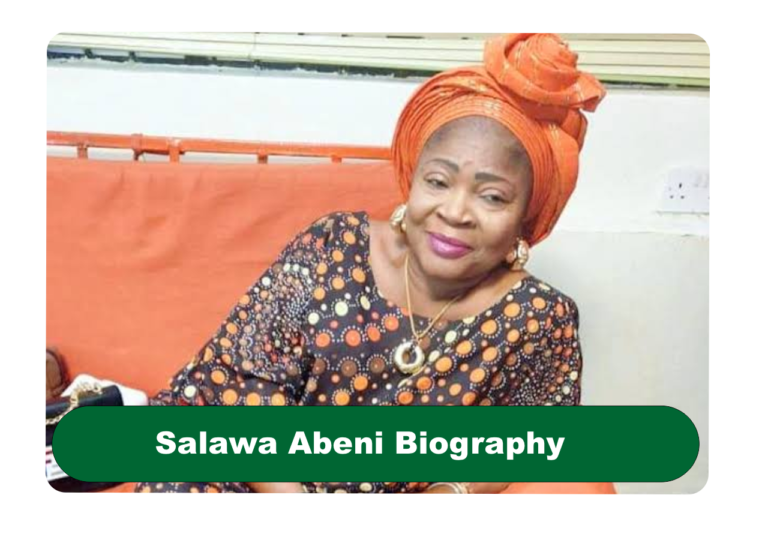
Salawa Abeni is a Nigerian singer and one of the most influential female performers in Yoruba traditional music. Popularly known as the Queen of Waka Music, she became famous in 1976 after releasing an album dedicated to the late Nigerian military ruler, General Murtala Muhammed. This Salawa Abeni biography explores her age, early life, husband, children, education, songs, and remarkable music career.
Born on 5 May 1961, Abeni entered the entertainment industry as a teenager and developed a career spanning five decades. Her debut album reportedly sold more than one million copies, making her a pioneer among female Yoruba recording artists. In October 2026, she celebrated 50 years in the music industry, reflecting on her achievements, personal struggles, and contributions to Nigerian culture.
Quick Facts About Salawa Abeni
| Detail | Information |
|---|---|
| Full Name | Salawa Abeni Alidu |
| Popular Name | Queen Salawa Abeni |
| Date of Birth | 5 May 1961 |
| Age | 65 years (as of October 2026) |
| Birthplace | Epe, Lagos State, Nigeria |
| State of Origin | Ogun State |
| Hometown | Ijebu Waterside |
| Nationality | Nigerian |
| Profession | Singer and songwriter |
| Music Genre | Waka music |
| Husband | Rasheed Adahunse |
| Former Husbands | Lateef Adepoju and Kollington Ayinla |
| Children | Five reported from her first two marriages |
| Famous For | Waka music and Late General Murtala Ramat Mohammed |
| Years Active | 1970s–present |
| Notable Title | Queen of Waka Music (1992) |
Salawa Abeni’s Early Life and Family Background
Salawa Abeni was born on 5 May 1961 in Epe, Lagos State, Nigeria. She comes from an Ijebu family with roots in Ijebu Waterside, Ogun State. Her father was from the Ijebu area, while her mother’s family had connections to Lagos and Ilesha. She grew up in a modest household where financial difficulties affected everyday life.
During her childhood, Abeni was sent to live with a couple, Mr. and Mrs. Otun, in the Epe area. She worked as a housemaid while developing an interest in music. Her employers encouraged her, and she gradually found opportunities to practise singing. These experiences became an important part of her journey into entertainment.
Her father initially opposed her decision to become a musician because he considered the profession difficult and uncertain. However, Abeni remained determined to pursue singing. She later explained that her family eventually supported her musical ambitions. Her childhood experiences influenced the themes of perseverance and everyday life found in her music.
Salawa Abeni’s Education and Early Interest in Music
Information about Salawa Abeni’s formal education remains limited. During her childhood, a teacher identified as Mr. Shobowale encouraged her guardians to ensure she received an education. However, reliable public records do not establish her complete educational history or any higher academic qualifications.
Abeni developed her musical interests while still young. She has recalled listening to traditional Yoruba music programmes on Radio Lagos and admiring established performers. These early experiences strengthened her determination to become a professional singer. By her early teenage years, she was already preparing for a career in music.
How Salawa Abeni Started Her Music Career in 1976
Salawa Abeni’s professional breakthrough came in 1976 when she released her debut album, Late General Murtala Ramat Mohammed, under Leader Records. The album honoured Nigeria’s former military head of state, who was assassinated in February 1976. Its release introduced the young singer to a wider audience. She was only 15 years old that year.
The album became a major commercial success and was reported to have sold over one million copies. It established Abeni as one of the earliest female Yoruba recording artists to achieve such sales. However, she later revealed that she did not receive royalties from the album. She attributed this experience partly to her young age and limited knowledge of music contracts.
Following her breakthrough, Abeni continued recording with Leader Records for several years. Her growing popularity helped expand the audience for Waka music beyond traditional gatherings. She became known for her expressive voice and ability to communicate meaningful messages through Yoruba songs.
Rise to Fame as Nigeria’s Queen of Waka Music
Waka is a traditional Yoruba musical genre closely associated with Islamic cultural practices. It combines vocal expression, percussion, praise singing, and commentary on everyday life. Earlier performers, including Batile Alake, had helped establish the genre before Abeni became famous. Her contribution was bringing Waka to a wider commercial audience.
During the 1980s, Abeni released numerous recordings and became increasingly popular at concerts and social celebrations. She introduced an energetic performance style that distinguished her from some earlier Waka singers. Her habit of standing while performing also became an identifiable feature of her stage appearances.
In 1992, the late Alaafin of Oyo, Oba Lamidi Adeyemi III, conferred on her the title of Queen of Waka Music. The recognition acknowledged her achievements and contributions to Yoruba traditional entertainment. Since then, the title has remained closely associated with her public identity.
Salawa Abeni’s Popular Songs and Albums
Throughout her career, Salawa Abeni has released more than 40 albums, according to her account of her recordings. Her music frequently explores relationships, faith, social behaviour, personal experiences, and cultural traditions. She has worked with several record labels, including Leader Records and Kollington Records.
Some of her recognised recordings include:
- Late General Murtala Ramat Mohammed (1976): Her breakthrough album.
- Gentle Lady: One of her notable early recordings.
- Indian Waka: A recording associated with her growing popularity.
- I Love You (1988): A collaboration associated with Kollington Ayinla.
- We Are the Children (1989): Another recording from her Kollington Records period.
- Experience (1991): An album reflecting personal experiences and relationships.
Her extensive catalogue helped establish Waka as an important part of Nigeria’s recorded music heritage.
Salawa Abeni’s First and Second Marriages
Salawa Abeni’s personal life has attracted public attention because of her relationships with prominent figures in the music industry. Her first husband was Lateef Adepoju, the founder of Leader Records, where she began her recording career. Their relationship produced two children before the marriage ended in 1986.
She subsequently married Fuji music legend Kollington Ayinla, also known as General Kollington Ayinla. Following their relationship, she joined his record label and continued recording music. Their union produced three children but eventually ended in 1994. Despite the separation, they remained connected through their children.
Their former marriage returned to public discussion in 2025 when Kollington publicly claimed that Abeni remained his wife. In July 2026, Abeni responded that she had not been the one who left the marriage. She also explained that some of her personal experiences influenced her songwriting.
Salawa Abeni’s Current Husband, Rasheed Adahunse
Salawa Abeni publicly introduced Rasheed Adahunse, a retired Nigeria Customs Service officer, as her husband in November 2023. Adahunse had served as Comptroller and Commandant of the Customs Training College. Their relationship became widely discussed after she celebrated him during his birthday and retirement ceremony.
At the event, Abeni explained that they had already been married for approximately four years. This placed their marriage around 2019. She also clarified that she had not intentionally hidden the relationship from the public.
Salawa Abeni’s Children and Family Life
Salawa Abeni has five reported children from her marriages to Lateef Adepoju and Kollington Ayinla. Several of her children have followed her interest in entertainment, including Sheriffdeen, popularly known as Big Sheff. Her daughter, Okikiola Aminat, also known as Candy or Oliki Candylassy, has appeared publicly alongside her.
In interviews, Abeni has discussed the challenges of combining motherhood with a demanding music career. She has also spoken about personal losses and difficult periods in her life. Despite these experiences, family remains an important part of her story.
Salawa Abeni’s Net Worth and Sources of Income
Salawa Abeni has earned income through music recordings, concerts, live performances, and other entertainment-related activities. Her extensive catalogue and long career have established her as a respected figure in Nigerian traditional music. However, her exact net worth has not been independently verified.
Although several websites publish estimates of her wealth, there is insufficient reliable financial information to confirm a particular figure. Her earnings from individual performances, royalties, and personal investments are not publicly documented.
Salawa Abeni’s 50 Years on Stage Celebration in 2026
In October 2026, Salawa Abeni marked 50 years since her professional recording debut with a golden jubilee celebration. The event took place on 18 October at the Oriental Hotel in Victoria Island, Lagos. It attracted musicians, public figures, family members, and admirers who gathered to recognise her contributions to Nigerian entertainment.
Fuji musician Saheed Osupa was among the performers who honoured her during the celebration. The occasion featured musical performances and tributes reflecting her achievements across five decades. It also highlighted Waka music’s continuing importance in Nigeria’s cultural history.
Earlier in May 2026, Abeni announced that she was working on a new song addressing contemporary issues and everyday life. She also reflected on her career, including the financial difficulties she experienced as a young recording artist.
Salawa Abeni’s Achievements and Musical Legacy
Salawa Abeni remains one of Nigeria’s most recognised female traditional musicians. Her achievements include a commercially successful debut album, more than four decades of recordings, and the royal title of Queen of Waka Music. She also helped increase the visibility of female performers within an industry historically dominated by men.
Her ability to combine traditional Yoruba musical practices with contemporary performance styles contributed to her lasting popularity. Younger musicians continue to draw inspiration from her career, while her songs remain part of Nigeria’s cultural heritage. Her influence extends beyond commercial success to the preservation and development of indigenous music.
Final Thoughts
Salawa Abeni’s biography tells the story of a young girl who overcame difficult circumstances to become one of Nigeria’s most celebrated traditional musicians. From working as a housemaid to releasing a million-selling album and receiving royal recognition, her journey has been marked by determination and resilience.
After five decades in music, the Queen of Waka continues to represent an important chapter in Nigerian entertainment history. Her career demonstrates how dedication to cultural identity and artistic expression can create a lasting musical legacy.
Frequently Asked Questions
Q1: How old is Salawa Abeni in 2026?
Salawa Abeni is 65 years old as of October 2026. She was born on 5 May 1961 in Epe, Lagos State, Nigeria.
Q2: Who is Salawa Abeni’s current husband?
Her publicly identified husband is Rasheed Adahunse, a retired Nigeria Customs Service officer. She introduced him publicly in November 2023 and stated that they had already been married for approximately four years.
Q3: How many children does Salawa Abeni have?
Salawa Abeni has five reported children from her first two marriages. Some of her children, including Big Sheff, have pursued careers in entertainment.
Q4: What is Salawa Abeni’s net worth?
Her exact net worth has not been publicly verified. She has earned money through music recordings, live performances, and other entertainment activities.
Q5: Which state is Salawa Abeni from?
Salawa Abeni is originally from Ijebu Waterside in Ogun State, Nigeria. However, she was born in Epe, Lagos State.
Q6: Who was Salawa Abeni’s first husband?
Her first husband was Lateef Adepoju, the founder of Leader Records. Their marriage produced two children before it ended in 1986.
Q7: Why is Salawa Abeni called the Queen of Waka Music?
She received the title from the late Alaafin of Oyo, Oba Lamidi Adeyemi III, in 1992. The recognition celebrated her contributions to the popularity and development of Waka music in Nigeria.