 Admin
AdminFarming and Agriculture Visa Sponsorship Jobs in Japan
Introduction
Japan’s agriculture sector has long been a cornerstone of its economy, providing food security and sustaining rural communities. In recent years, however, the country has faced a significant labor shortage in farming and agriculture, driven by an aging population and declining interest among younger Japanese citizens to pursue careers in agriculture. To tackle this challenge, Japan has increasingly opened its doors to foreign workers with visa sponsorship opportunities in farming and agriculture. These jobs offer a gateway for international professionals to gain practical experience, develop technical skills, and immerse themselves in Japan’s unique agricultural culture. Farm Worker Visa Sponsorship Denmark
For foreigners seeking employment, visa sponsorship is a crucial factor. Japanese employers in farming and agriculture are often willing to sponsor visas for qualified candidates who demonstrate commitment and skills in areas such as crop cultivation, livestock management, horticulture, and agritech operations. The government supports such initiatives through programs like the Technical Intern Training Program (TITP) and the Specified Skilled Worker (SSW) visa, which allow foreign workers to legally live and work in Japan while contributing to the agricultural industry.
The demand for foreign agricultural workers spans multiple sectors, including rice farming, vegetable cultivation, greenhouse operations, fruit orchards, and animal husbandry. These jobs are typically offered in both urban-adjacent and rural regions, creating diverse opportunities for employment and skill development. With visa sponsorship, foreign workers not only gain legal employment but also access to benefits such as accommodation support, health insurance, and professional training.
In this article, we explore the full scope of farming and agriculture visa sponsorship jobs in Japan, including entry-level positions, salary structures, application requirements, and practical guidance for aspiring international agricultural professionals.
Why Work in Japan in the Farming and Agriculture Sector?
Japan presents a unique combination of cultural richness and modern agricultural technology, making it an attractive destination for foreign workers. The farming and agriculture sector in Japan offers several advantages: Farm Worker Jobs in Netherlands with Visa Sponsorship
-
Advanced Agricultural Technology – Japan is renowned for integrating robotics, precision farming, and hydroponics in agriculture. Working here provides exposure to cutting-edge techniques that enhance productivity and efficiency.
-
Stable Employment Opportunities – Due to the persistent labor shortage, Japan’s agricultural sector consistently seeks foreign workers. Many farms and companies provide long-term employment with visa sponsorship, allowing workers to plan their careers with stability.
-
Cultural Immersion – Working in rural Japan offers a unique experience of Japanese culture, traditions, and cuisine. International workers gain firsthand knowledge of agricultural practices rooted in centuries-old techniques alongside modern innovations.
-
Skill Development and Career Growth – Employees receive hands-on experience in diverse agricultural activities, from crop cultivation to livestock care, which enhances their professional portfolio for global career prospects.
-
Government Support for Foreign Workers – Programs like the Specified Skilled Worker visa are designed to attract and retain foreign talent in agriculture. These programs often include Japanese language training and career guidance to help foreigners adapt and thrive. Entry-Level Caregiver Jobs in the USA with Visa Sponsorship
Overall, Japan combines economic opportunity with cultural enrichment, making it an ideal destination for motivated foreign professionals seeking farming and agriculture visa sponsorship jobs.
Entry-Level Farming and Agriculture Jobs in Japan with Visa Sponsorship
Foreign workers entering Japan’s agriculture sector typically start with entry-level positions that provide essential training while offering legal employment through visa sponsorship. Some common roles include: Australia Jobs with Visa Sponsorship for Foreigners
-
Farmhands and Field Workers – Entry-level farmhands assist with planting, harvesting, weeding, and soil preparation. This role provides foundational knowledge of crop cycles, irrigation methods, and farm management practices.
-
Greenhouse Assistants – Greenhouse operations require careful monitoring of plant health, humidity, and temperature. Workers may handle seedling management, pest control, and automated irrigation systems.
-
Livestock Assistants – Workers help with feeding, cleaning, and caring for farm animals such as cattle, pigs, chickens, and sheep. This role may also involve assisting with milking, egg collection, and health monitoring.
-
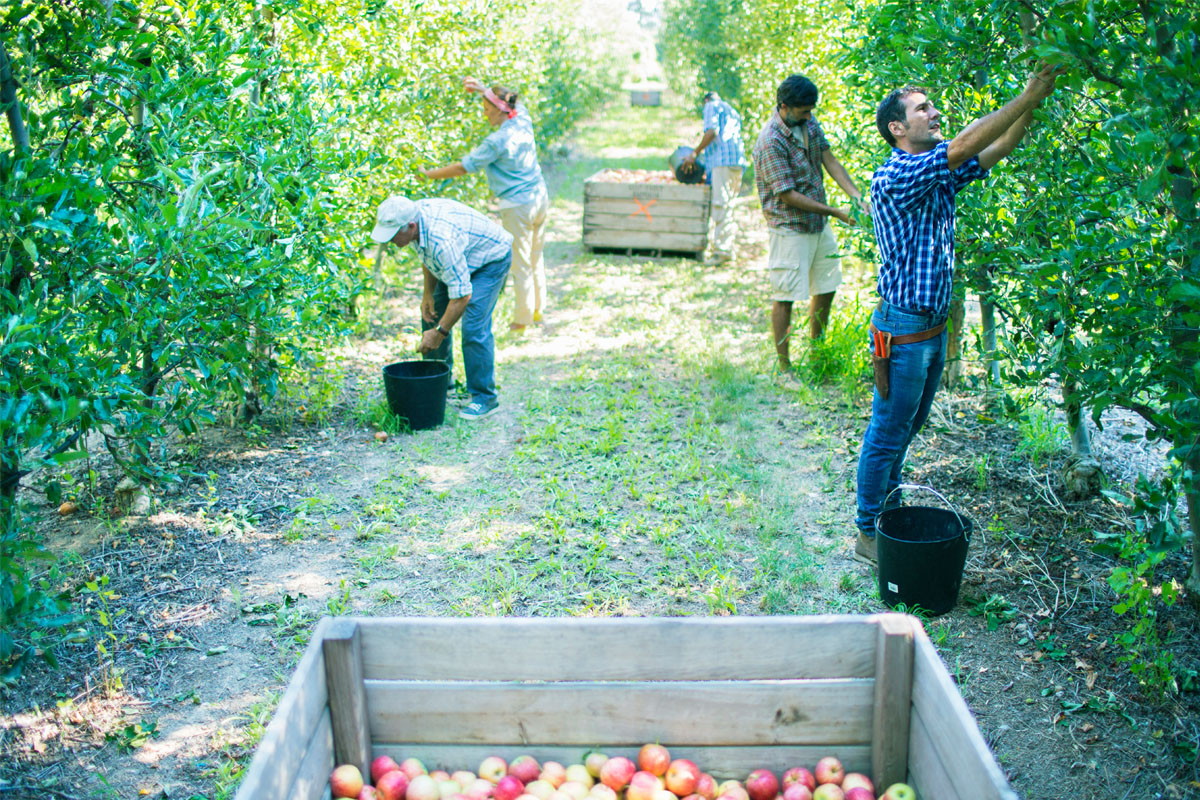
Seasonal Harvest Workers – Japan’s farms experience labor peaks during planting and harvesting seasons. Seasonal workers are crucial for fruit picking, rice harvesting, and vegetable collection. Visa sponsorship is often available for these positions under temporary or rotational work programs.
-
Agritech Trainees – Some entry-level roles involve learning how to operate agricultural machinery, drones, or automated irrigation systems. These positions combine practical experience with exposure to Japan’s technological advancements in agriculture. Poultry Worker Jobs in the UK with Visa Sponsorship
Entry-level jobs typically offer accommodation support, training programs, and basic Japanese language lessons. These positions serve as stepping stones for mid-level roles, where employees can take on supervisory responsibilities and more specialized tasks.
Types of Farming and Agriculture Jobs and Sectors Offering Visa Sponsorship in Japan
Japan’s agricultural sector is diverse, offering opportunities across multiple fields. Some key sectors include:
-
Rice Farming – As a staple crop, rice farming is central to Japan’s agriculture. Jobs in this sector include paddy preparation, planting, harvesting, and rice milling. Visa sponsorship is common for workers willing to commit to long-term employment cycles.
-
Vegetable and Fruit Cultivation – Farms growing vegetables like tomatoes, cucumbers, and leafy greens, as well as fruit orchards producing apples, peaches, and strawberries, frequently employ foreign workers for planting, pruning, and harvesting.
-
Livestock Farming – Cattle, pigs, poultry, and sheep farms hire workers for feeding, cleaning, health monitoring, and breeding assistance. These roles often require physical endurance and attention to animal welfare. Engineering Jobs in South Korea with Visa Sponsorship
-
Greenhouse and Horticulture – Greenhouse farming and ornamental horticulture demand specialized care, including automated climate control, soil nutrient management, and disease prevention.
-
Organic and Sustainable Farms – Japan’s growing organic farming sector seeks foreign workers for hands-on cultivation, composting, and eco-friendly pest management. Visa sponsorship is increasingly offered in these environmentally conscious farms.
-
Agritech and Smart Farming – Companies integrating robotics, AI, and IoT in agriculture offer positions for operating smart systems, data collection, and crop monitoring.
Visa sponsorship is offered across these sectors through programs like the Technical Intern Training Program (TITP) and the Specified Skilled Worker (SSW) visa, making Japan a highly attractive destination for foreign agricultural workers.
Top Farms, Agricultural Companies, and Industries in Japan Sponsoring Jobs for Foreigners
Several organizations in Japan actively sponsor visas for foreign agricultural workers. Some of the top employers include:
-
JA Group (Japan Agricultural Cooperatives) – Offers various farming positions across rural Japan with comprehensive training programs.
-
Green Farm Co., Ltd. – Specializes in greenhouse vegetable production and frequently hires international trainees. Welder Jobs in the Netherlands with Visa Sponsorship
-
Hokkaido Dairy Farms – Focuses on livestock farming with rotational visa programs for foreign workers.
-
Kagome Co., Ltd. – A leading vegetable processing company that sponsors skilled workers in greenhouse and crop production.
-
Organic Japan – Provides opportunities in sustainable and organic farming, emphasizing long-term skill development.
These organizations often provide accommodation, Japanese language training, and structured mentorship programs to help foreign employees adapt successfully.
Benefits of Working in Farming and Agriculture in Japan with Visa Sponsorship
Working in Japan’s agriculture sector with visa sponsorship offers several advantages:
-
Legal Employment and Security – Visa sponsorship ensures that foreign workers are legally employed and protected under Japanese labor laws.
-
Training and Skill Development – Workers gain hands-on experience and learn advanced agricultural techniques used globally. Undergraduate Scholarships in UK for International Students
-
Accommodation and Living Support – Many farms provide housing, meals, and transportation allowances, reducing living costs.
-
Cultural Experience – Exposure to Japanese rural life, festivals, and traditional farming practices enriches the worker’s cultural understanding.
-
Career Growth Opportunities – Entry-level workers can progress to supervisory, technical, or agritech specialist roles, often leading to permanent employment or visa extension.
Challenges of Farming and Agriculture Jobs in Japan for Foreign Workers
While the benefits are significant, there are some challenges:
-
Language Barriers – Communication in Japanese is essential, and limited language skills can hinder integration.
-
Physical Demands – Farming work is physically intensive, involving long hours, manual labor, and seasonal peaks.
Cultural Adaptation – Adjusting to Japanese work culture, including punctuality, hierarchy, and etiquette, may require time. Electrician Jobs in the UK with Visa Sponsorship for Foreigners
-
Seasonal Fluctuations – Some roles are seasonal, affecting income consistency and job security.
-
Remote Locations – Many farms are in rural areas with limited access to urban amenities.
Regions in Japan with the Highest Salary Structures
Top-paying regions for agricultural jobs often correlate with high living standards or specialized farming sectors:
-
Hokkaido – Known for dairy farming and vegetable cultivation; average entry-level: ¥1.3M/year.
-
Nagano – Fruit orchards and horticulture; average entry-level: ¥1.2M/year. Undergraduate Scholarships in Spain for International Students
-
Shizuoka – Tea plantations and vegetable farms; average entry-level: ¥1.1M/year.
-
Kyoto – Greenhouse and specialty crop farming; average entry-level: ¥1.05M/year.
-
Fukuoka – Rice and vegetable farms; average entry-level: ¥1M/year.
Salary Scale for Immigrant Agricultural Workers in Japan
Entry-Level Agricultural Workers
Foreign workers starting in farming and agriculture roles in Japan typically earn between ¥1,000,000 and ¥1,300,000 per year. These positions include basic farm labor, planting, harvesting, livestock assistance, and seasonal work. Accommodation and meals are often provided, reducing living expenses.
Mid-Level Agricultural Workers
Workers with experience or added responsibilities, such as greenhouse supervision or crop planning assistance, usually earn around ¥1,400,000 to ¥1,800,000 annually. These roles may involve machinery operation, team coordination, or quality control.
Senior Agricultural Workers
Experienced professionals handling farm management, livestock specialization, or training junior workers can earn approximately ¥1,900,000 to ¥2,500,000 per year. These positions often come with longer contracts and better job stability.
Specialized Agricultural Roles
Highly skilled workers in agritech, organic farming, smart farming systems, or research-based agriculture may earn ¥2,600,000 or more annually, depending on expertise and employer type.
Application Requirements and Required Documents
To apply for farming and agriculture visa sponsorship jobs in Japan, foreign workers typically need:
-
Valid passport
-
Completed visa application form
-
Employment contract from sponsoring farm/company Nursing Jobs in France with Visa Sponsorship
-
Proof of relevant experience or technical skills
-
Medical certificate
-
Japanese language proficiency (for some programs)
-
Background check (if required)
Eligibility for Farming and Agriculture Visa Sponsorship Jobs in Japan
To qualify for farming and agriculture visa sponsorship jobs in Japan, applicants must generally meet the following criteria:
- Minimum Age Requirement
Applicants must typically be 18 years or older, depending on the visa category and employer. - Relevant Experience or Training
While some entry-level roles accept beginners, having prior farming, agricultural, or livestock experience significantly improves eligibility, especially for the Specified Skilled Worker (SSW) visa. - Educational Background (Optional)
Formal education is not always mandatory; however, vocational training or agricultural certifications are considered an advantage. - Physical Fitness
Agricultural work in Japan is labor-intensive. Applicants must be medically fit and capable of performing physically demanding tasks. - Basic Japanese Language Skills
For most visa-sponsored roles, basic Japanese (JLPT N4 or equivalent) is preferred or required, particularly under the SSW visa. - Clean Criminal Record
A police clearance certificate may be required during visa processing. Healthcare Jobs in Belgium With Visa Sponsorship - Valid Passport and Legal Documentation
Applicants must possess a valid international passport and meet Japanese immigration requirements.
Tips to Improve Your Chances
- Gain Basic Agricultural Experience
Hands-on experience in farming, livestock, or greenhouse work increases employability. - Learn Basic Japanese
Even elementary Japanese language skills greatly enhance communication and employer confidence. - Apply Through Verified Employers
Focus on government-approved farms, cooperatives, and recruitment platforms to avoid scams. - Tailor Your CV for Agriculture Jobs
Highlight practical skills such as planting, harvesting, machinery use, or animal care. - Be Open to Rural Locations
Employers in rural Japan are more likely to offer visa sponsorship.
Application Deadlines
- No Fixed Annual Deadline
Most farming and agriculture visa sponsorship jobs in Japan accept applications year-round, depending on labor needs. - Seasonal Hiring Periods
High demand typically occurs during planting and harvesting seasons (spring and autumn). - Visa Processing Timelines
After securing a job offer, visa processing may take 4–12 weeks, depending on the visa type. waiter/waitress jobs in Belgium for foreigners
Applicants are encouraged to apply early, especially for seasonal or rotational programs.
Application Mistakes to Avoid When Applying for Farming and Agriculture Visa Sponsorship Jobs in Japan
- Applying Without Understanding Visa Requirements
Failing to match job roles with the correct visa type often leads to rejection. - Submitting Incomplete Documents
Missing medical reports, certificates, or translated documents can delay or cancel applications. - Ignoring Language Requirements
Overlooking basic Japanese language expectations reduces selection chances. - Falling for Unverified Agents
Avoid recruiters demanding high fees or offering “guaranteed visas.” - Underestimating Job Demands
Agricultural work in Japan is physically demanding; misrepresentation can result in early contract termination.
Websites to Find Japan Visa Sponsorship Farming and Agriculture Jobs
-
Japan Agricultural Cooperatives (JA Group) – https://www.ja-group.jp
-
GaijinPot Jobs – https://jobs.gaijinpot.com
-
Go! Go! Nihon – https://gogonihon.com
-
Career Cross – https://www.careercross.com
-
Work in Japan – Specified Skilled Worker Portal – https://www.sswjapan.go.jp
Step-by-Step Guide: How to Apply
-
Identify Opportunities – Research farms or companies offering visa sponsorship.
-
Prepare Documents – Gather passport, CV, and relevant certificates.
-
Submit Application – Apply via company website or recruitment portals. Plumber Jobs in USA with Visa Sponsorship
-
Interview – Attend interviews, possibly online, and demonstrate skills and motivation.
-
Receive Offer and Visa Sponsorship – Secure employment contract and submit documents to Japanese immigration authorities.
-
Relocate and Train – Arrive in Japan and complete any required orientation or language training.
FAQs about Farming and Agriculture Visa Sponsorship Jobs in Japan
Q1: Do I need Japanese language skills?
A: Basic Japanese is recommended for communication, though some farms provide language training.
Q2: Are there seasonal job opportunities?
A: Yes, many farms hire for planting and harvesting seasons with visa sponsorship. Cleaner Jobs in the UK with Visa Sponsorship
Q3: Can I extend my visa after initial employment?
A: Yes, many programs allow extensions if you meet performance and contractual requirements.
Q4: Are housing and meals provided?
A: Many sponsoring farms provide accommodation and meals, particularly in rural areas.
Q5: Can I transition to permanent residency?
A: Long-term skilled workers may qualify for permanent residency after meeting immigration requirements.
Conclusion: Building a Career in Japan in the Farming and Agriculture Sector with Visa Sponsorship
Japan’s farming and agriculture visa sponsorship jobs offer a unique opportunity for foreigners to build a meaningful career while experiencing a rich cultural environment. From entry-level positions to specialized agritech roles, the sector provides legal employment, skill development, and career growth opportunities. With proper preparation, adherence to application requirements, and willingness to adapt to Japanese work culture, foreign workers can thrive and make lasting contributions to Japan’s agriculture industry.


 Admin
Admin